
여드름 없애는 법 총정리: 피부과 치료부터 홈케어까지
여드름 없애는 법이 궁금하다면? 피부과 레이저·압출·약물 치료부터 집에서 할 수 있는 관리법까지 단계별로 정리했습니다. 피부 타입별 추천 치료도 확인하세요.
How to Get Rid of Acne: Best Dermatologist Treatments & Expert Recommendations
Nothing shakes your confidence quite like a stubborn breakout. As the seasons shift and stress levels fluctuate, your skin often pays the price. If you’ve tried every over-the-counter cream, changed your diet, and doubled down on your cleansing routine only to see the same red bumps and cysts return, you aren't alone.
Many people feel stuck in a cycle of trial and error. While good hygiene is essential, persistent acne is a medical condition that often requires more than just a washcloth and a moisturizer. Finding the best dermatologist treatment for acne is the key to breaking the cycle.
This guide cuts through the noise. We’ll explore the science behind breakouts, compare the most effective acne removal methods available at clinics, and help you decide which professional intervention fits your skin type.
Why Your Home Routine Might Not Be Enough
Before diving into treatments, it’s crucial to understand why acne persists. A common myth is that acne is simply caused by dirty skin. In reality, dermatology science identifies a four-stage process that fuels breakouts:
- Overactive Oil Glands: Hormones (especially androgens) signal your sebaceous glands to produce excess sebum.
- Pore Clogging: This oil mixes with dead skin cells, forming a plug. If exposed to air, it oxidizes into a blackhead; if trapped, it becomes a whitehead.
- Bacterial Growth: The bacteria Cutibacterium acnes thrives in the oxygen-deprived environment of a clogged pore, feeding on the sebum.
- Inflammation: Your immune system attacks the bacteria, causing the redness, swelling, and pain you see on your face.
Lifestyle factors like high-sugar diets, stress-induced cortisol spikes, and harsh skincare products can accelerate this process. If your acne falls into the categories of papules (red bumps), pustules (pus-filled), nodules, or cysts, home remedies often hit a wall. This is where professional dermatology treatment recommendations become essential.
Top Professional Acne Treatments Recommended by Dermatologists
When searching for how to get rid of acne effectively, the "best" treatment depends entirely on the severity of your condition. A board-certified dermatologist will assess your skin to recommend a tailored plan. Here are the most popular and effective clinical procedures.
1. Acne Extraction (Comedo Extraction)
Best for: Blackheads, whiteheads, and mild congestion.
This is the gold standard for clearing clogged pores. A specialist uses sterile tools to manually remove comedones and drain pustules.
- Why it works: It instantly clears blockages that products can't reach.
- The Benefit: Unlike squeezing at home, professional extraction prevents infection and scarring.
- Recovery: Minimal. Avoid sun exposure and focus on hydration for 24–48 hours post-treatment.
2. HydraFacial (AquaPeeling)
Best for: Sensitive skin, mild-to-moderate acne, and dullness.
HydraFacial is a non-invasive treatment that cleanses, exfoliates, extracts, and hydrates in one go. It uses a vortex-suction device to gently pull impurities from deep within the pores without the abrasion of traditional scrubs.
- Why it works: It unclogs pores while simultaneously infusing the skin with soothing antioxidants and hydrating serums.
- The Benefit: Immediate glow with zero downtime. Ideal for those who want maintenance without harsh chemicals.
3. Laser and Light Therapies
Best for: Active inflammation, redness, and acne scarring.
Light-based technologies target the root causes of acne without damaging the skin surface.
- Blue Light: Specifically targets and kills C. acnes bacteria. Great for active breakouts.
- Red Light: Reduces inflammation and speeds up tissue healing. Perfect for calming angry, red skin.
- Fractional Lasers: For severe cases or existing scars, these lasers stimulate collagen production to smooth texture and fade dark spots over time.
4. Chemical Peels
Best for: Stubborn congestion and post-acne pigmentation.
A chemical solution is applied to the skin to accelerate cell turnover. This prevents dead skin cells from clogging pores in the first place.
- Superficial Peels: Use mild acids (like salicylic or glycolic) for regular maintenance.
- Medium-Depth Peels: Tackle deeper congestion and stubborn pigmentation issues more aggressively.
5. Prescription Medications
Best for: Cystic acne, hormonal acne, or resistant breakouts.
Sometimes, topical treatments aren't enough. A dermatologist may prescribe:
- Oral Antibiotics: Short-term use to reduce bacterial load and inflammation.
- Retinoids (e.g., Accutane): A powerful option for severe, resistant acne that requires strict medical supervision.
- Hormonal Therapy: Birth control or spironolactone (for women) to regulate the hormones driving oil production.
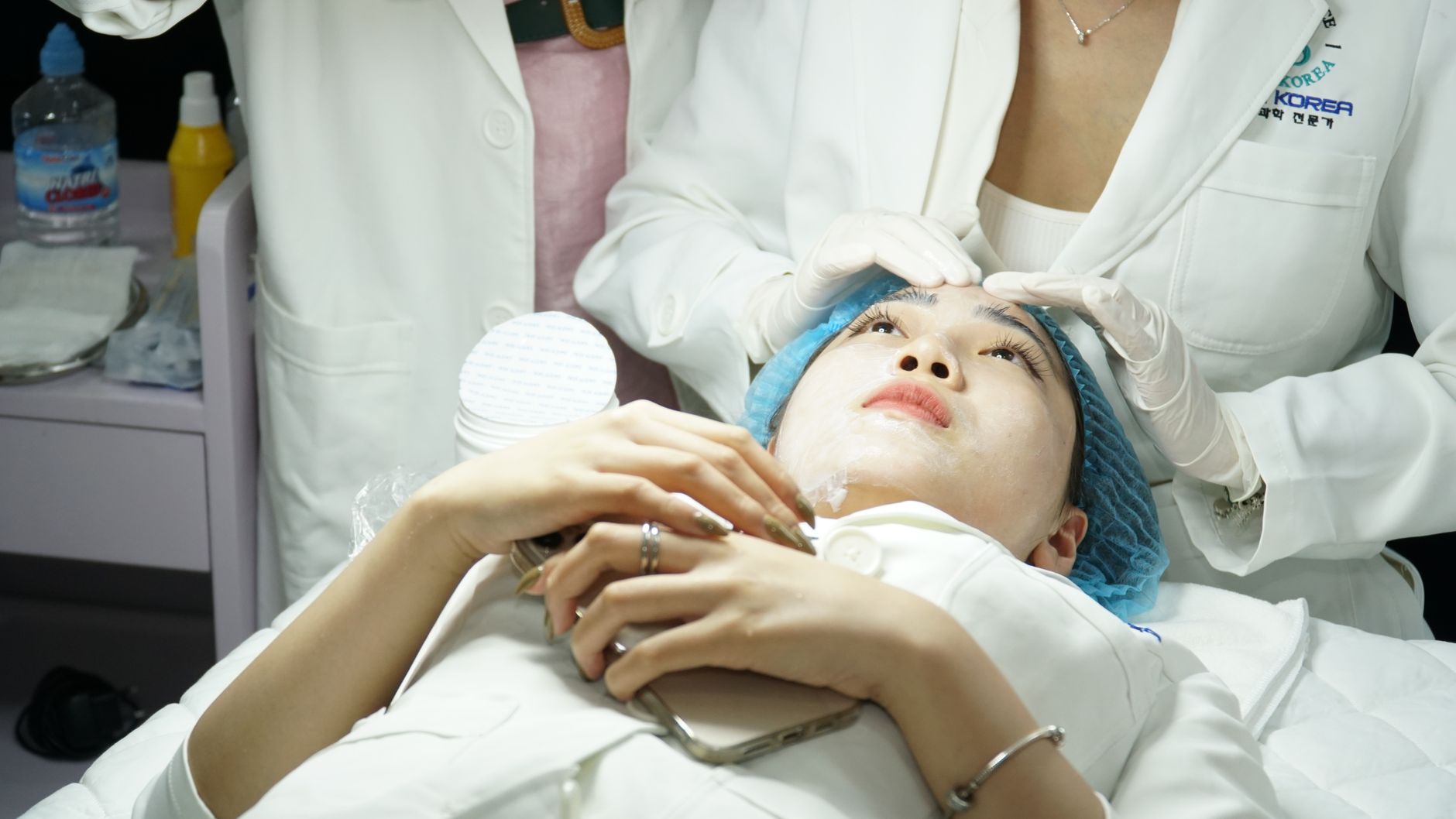 A woman receives a facial treatment at a skincare clinic, attended by specialists. (Photo: Vũ Ngọc Long / Pexels)
📺 Sister... What Skin Treatment Did You Get Recently?! (Full Routine Reveal) - YouTube
How to Choose the Right Clinic for Your Skin
Not all dermatology clinics are created equal. When looking for acne removal methods that actually work, consider these factors before booking your consultation:
- Credentials: Ensure the provider is a board-certified dermatologist or a licensed medical aesthetician working under supervision.
- Consultation First: Avoid clinics that push expensive packages without a skin analysis. A good provider will diagnose your acne type before suggesting a treatment.
- Technology: Look for clinics that offer a variety of treatments (lasers, peels, extractions) so they can adjust your plan as your skin evolves.
- Aftercare Support: The best clinics provide clear instructions on how to care for your skin post-treatment to ensure results last.
Essential Home Care to Maintain Results
Professional treatments provide the breakthrough, but your daily routine maintains the victory. To keep your skin clear between appointments:
- Gentle Cleansing: Wash twice daily with a pH-balanced, non-drying cleanser. Skip harsh scrubs.
- Hydrate Without Clogging: Even oily skin needs moisture. Choose "non-comedogenic" or "oil-free" moisturizers.
- Sun Protection is Non-Negotiable: UV rays darken acne marks and worsen inflammation. Use a broad-spectrum SPF 30+ every morning.
- Hands Off: Picking pimples spreads bacteria and leads to permanent scarring. Let the professionals handle the extraction.
Frequently Asked Questions
Q: How long does it take to see results from dermatology treatments? A: It varies by procedure. Extractions show immediate results, while lasers and medications may take 4–8 weeks to show significant improvement. Consistency is key.
Q: Is acne treatment painful? A: Most modern procedures are well-tolerated. Topical numbing cream is often used for lasers and peels. Extractions may feel slightly uncomfortable but are generally quick.
Q: Can I use my regular skincare after a treatment? A: Not immediately. Your skin will be more sensitive after procedures like peels or lasers. Always ask your provider for a post-treatment skincare list.
Conclusion: Take Control of Your Skin Journey
Acne is a medical condition, not a reflection of your worth or hygiene. If over-the-counter products haven't solved your struggles, seeking professional acne removal advice is the smartest investment you can make for your confidence and health.
By understanding the causes and exploring the right dermatologist treatment for acne, you can move from frustration to clarity. Remember to consult with a board-certified specialist to create a personalized plan that fits your skin type and lifestyle. Clear skin is within reach—you just need the right strategy.